WHO PAYS FOR BRIDESMAIDS’ HAIR + MAKEUP
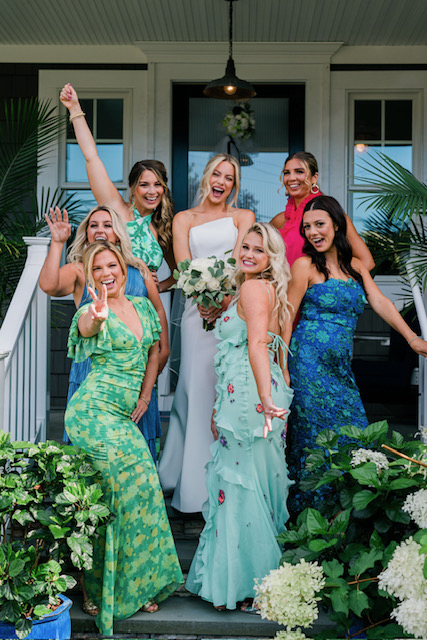
This is the most-argued question on the wedding internet, and it comes up in a group chat at eleven at night, usually right after someone has quietly looked up what a blowout costs.
Here’s the short version, and then the part that actually matters.
Who pays for bridesmaids’ hair and makeup?
If you asked for it, you cover it. If it’s optional, they cover it.
That’s the whole rule. The confusion almost never comes from the money — it comes from a sentence that could be read two ways.
The sentence that causes all the trouble
“You’re welcome to book with my artist” and “everyone’s getting their hair done” sound similar in a group chat. They are not the same thing.
The first is an invitation. The second is a requirement, and a requirement you set is a requirement you pay for.
So before you send anything, decide which one you mean. Then say it in words that can only be read one way.
- If it’s required: “I’m covering hair and makeup for everyone — you just need to be at the suite by nine.”
- If it’s optional: “My artist has openings if you’d like to book. Totally optional, and no hard feelings either way — I know it’s not cheap.”
Say the word optional out loud. Nobody infers it.
But they’ve already spent so much
They have. The dress, the shoes, the alterations, the shower gift, sometimes flights and a hotel. Standing next to you is one of the more expensive things a person can be asked to do, and most of that spending is invisible to you because they’d never mention it.
That’s the real argument for covering beauty. Not etiquette — just an honest look at what’s already been spent for your sake.
What if you can’t cover everyone?
Then cover part of it, and be clear about which part.
Plenty of couples pay for hair and leave makeup open, or cover the artists’ travel fee so the per-person price drops for everyone. Both are generous, and both are easy to explain in one sentence.
What doesn’t work is leaving it vague and hoping it sorts itself out. Vagueness is what turns a money question into a feelings question.
When should you sort this out?
When you ask people to be in your wedding — not when you book the artist.
By the time you’re building a getting-ready timeline, they’ve already bought the dress. A cost that arrives after they’ve committed feels like a bill. The same cost mentioned up front is just information.
Frequently asked questions
Who pays for bridesmaids’ hair and makeup? If you require it, you pay for it. If it’s genuinely optional, bridesmaids can pay for their own. The deciding factor is whether you asked for it, not tradition.
Is it rude to ask bridesmaids to pay for their own hair and makeup? Not if it’s truly optional and you say so plainly. It becomes unfair when you require a specific look or artist and still expect them to cover the cost.
What if I can only afford to cover part of it? Cover one piece and name it clearly — many couples pay for hair and leave makeup open, or cover the artists’ travel fee so everyone’s individual price drops. Clarity matters more than the amount.
When should I tell my bridesmaids who’s paying? When you ask them to be in the wedding. Once they’ve bought a dress, a new cost feels like a bill rather than information.
Should I pay for my mother’s hair and makeup? Most couples do, and it’s a small cost with a large return — she’ll be in a great many photographs and will otherwise spend the morning focused entirely on you.